The touch concept greatly enhances brand presence both before and during exhibitions. Pre-exhibition tactile campaigns, such as offering samples or interactive mailers, foster curiosity and build trust. During events, physical interactions encourage active participation exhibition booth design malaysia, creating emotional connections that reinforce brand messages. Touch also increases memory retention and consumer confidence. Thoughtful booth design incorporating textured materials and product handling further engages visitors. Exploring these strategies reveals how tactile elements deepen consumer-brand relationships and improve marketing outcomes.

Enhancing Brand Awareness Through Tactile Pre-Exhibition Campaigns
Although visual and auditory elements often dominate marketing strategies, tactile experiences play an essential role in enhancing brand awareness https://www.touchconcept.com.my/, particularly in the lead-up to exhibitions.
Brands that incorporate touch-based campaigns before events create a distinct sensory connection, setting themselves apart in a crowded market. By offering samples, textured materials, or interactive mailers, companies invite potential attendees to physically engage with their identity, fostering curiosity and anticipation.
This approach taps into the innate human desire for freedom and exploration, making interactions feel personal rather than forced. Pre-exhibition tactile campaigns build a foundation of trust and recognition, increasing the likelihood of meaningful engagement during the event itself.
Ultimately, touch-driven strategies offer brands a powerful, authentic way to extend their reach beyond sight and sound alone.
Creating Immersive Experiences With Touch During Exhibitions
When exhibitions provide tactile interactions, they transform passive observation into active participation, deepening visitor engagement.
Touch invites exploration, allowing attendees to connect physically and emotionally with a brand’s story. This sensory approach cultivates memorable experiences that resonate beyond visual appeal.
Key elements in creating immersive tactile experiences include:
- Interactive product samples that invite handling and experimentation.
- Textured displays offering contrast and intrigue.
- Multi-sensory installations combining touch with sound or temperature.
- Customizable touchpoints encouraging personal interaction.
The Psychological Impact of Touch on Consumer Engagement
Physical contact plays an essential role in shaping consumer perceptions and behaviors. Touch conveys authenticity, builds trust, and fosters emotional connections, allowing consumers to feel more confident in their choices. It reduces psychological distance, making brands appear more approachable and relatable.
When consumers physically interact with products, sensory feedback enhances memory retention and overall engagement. This multisensory involvement supports a sense of freedom, as individuals actively explore and form personal judgments rather than passively receiving information.
Additionally, touch can trigger subconscious responses, influencing attitudes and purchase intentions without overt persuasion. By leveraging the psychological impact of touch, brands can empower consumers to engage authentically and freely, reinforcing positive associations and strengthening loyalty before and during exhibitions.
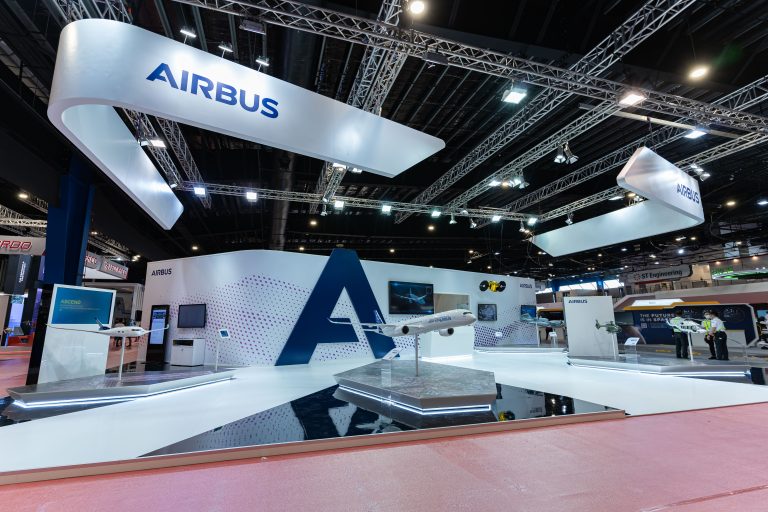
Integrating Touch Elements in Exhibition Booth Design
The influence of touch on consumer engagement naturally extends to the design of exhibition booths, where tactile experiences can be strategically incorporated to enhance brand interaction.
Effective integration of touch elements encourages visitors to linger, explore, and form stronger connections with the brand.
Key considerations include:
- Utilizing textured materials that invite hand contact, such as fabric, wood, or interactive screens.
- Designing product displays that allow visitors to physically handle or test items.
- Incorporating sensory stations with varied tactile stimuli to evoke curiosity and emotional response.
- Creating ergonomic layouts that guide touch engagement intuitively without overwhelming the visitor.
Measuring the Effectiveness of Touch-Based Marketing Strategies
Several metrics and methodologies exist to evaluate the impact of touch-based marketing strategies on consumer behavior and brand perception.
Quantitative measures include tracking engagement rates, dwell time at touch-enabled displays, and conversion metrics such as lead generation or sales uplift.
Qualitative approaches involve gathering direct consumer feedback through surveys or interviews to assess emotional connection and brand recall. Eye-tracking and biometric data can also offer insights into sensory engagement levels.
Combining these data points provides a thorough understanding of how tactile experiences influence freedom in decision-making and brand affinity.
Brands valuing autonomy benefit from analyzing these metrics to refine touch elements, ensuring they enhance rather than constrain consumer interaction.
Ultimately, effective measurement empowers brands to create more meaningful, liberating experiences at exhibitions.
Conclusion
The strategic incorporation of touch in both pre-exhibition campaigns and during exhibitions greatly enhances brand awareness and consumer engagement. By creating immersive tactile experiences, brands can establish stronger emotional connections, influencing purchasing behavior. Thoughtful integration of touch elements within exhibition booth design further reinforces these effects. Measuring the impact of touch-based marketing provides valuable insights, enabling brands to optimize their strategies and maximize the effectiveness of their exhibition presence.