Cat hotels are designed with stringent hygiene protocols to guarantee the health of their feline guests. They employ rigorous cleaning methods and utilize veterinary-approved disinfectants. Individualized care is critical, with quarantine procedures for new or sick cats in place cat hotel. Health monitoring, including vaccinations, further protects the resident population. Staff training reinforces proper hygiene practices. Understanding these measures reveals a thorough approach to feline care, raising questions about the specific techniques employed in these establishments.

Regular Cleaning and Sanitization Protocols
While ensuring a safe and healthy environment for feline guests, cat hotels must implement rigorous cleaning and sanitization protocols.
These protocols typically include established cleaning schedules that dictate the frequency of cleaning various areas, such as sleeping quarters pet daycare, communal spaces, and feeding zones.
Cat hotels often employ a combination of sanitization methods, including the use of veterinary-approved disinfectants that effectively eliminate pathogens without harming the cats.
Daily cleaning may involve sweeping, mopping, and disinfecting surfaces, while more thorough weekly cleanings could encompass deep sanitization of furniture and equipment.
Additionally, cat hotels may utilize ultraviolet (UV) light systems to further reduce microbial presence.
Adhering to these protocols is essential for minimizing the risk of illness among the feline population.
Individualized Care and Quarantine Procedures
To guarantee the health and well-being of each feline guest, cat hotels must implement individualized care and quarantine procedures tailored to the specific needs of each animal.
This approach involves providing personalized attention to make certain that each cat’s unique health and behavioral requirements are met.
Isolation techniques are essential for new arrivals or those showing signs of illness, allowing for a thorough assessment and minimizing the risk of disease transmission.
During quarantine, cats are monitored closely, and their environments are maintained with high hygiene standards.
This structured protocol not only safeguards the health of individual guests but also protects the broader feline community within the hotel, ultimately fostering a safe and comfortable environment for all.
Health Monitoring and Vaccination Requirements
Following the implementation of individualized care and quarantine procedures, cat hotels must prioritize health monitoring and vaccination requirements to guarantee the overall well-being of their feline guests.
Regular health assessments are vital, allowing staff to detect potential health issues promptly. These assessments typically include checking for signs of illness, monitoring weight, and ensuring proper hydration.
Adherence to established vaccination schedules is equally important; cat hotels often require proof of vaccinations against common feline diseases such as rabies and feline distemper. This not only protects the individual cats but also mitigates the risk of outbreaks within the facility.
Safe and Comfortable Accommodation Design
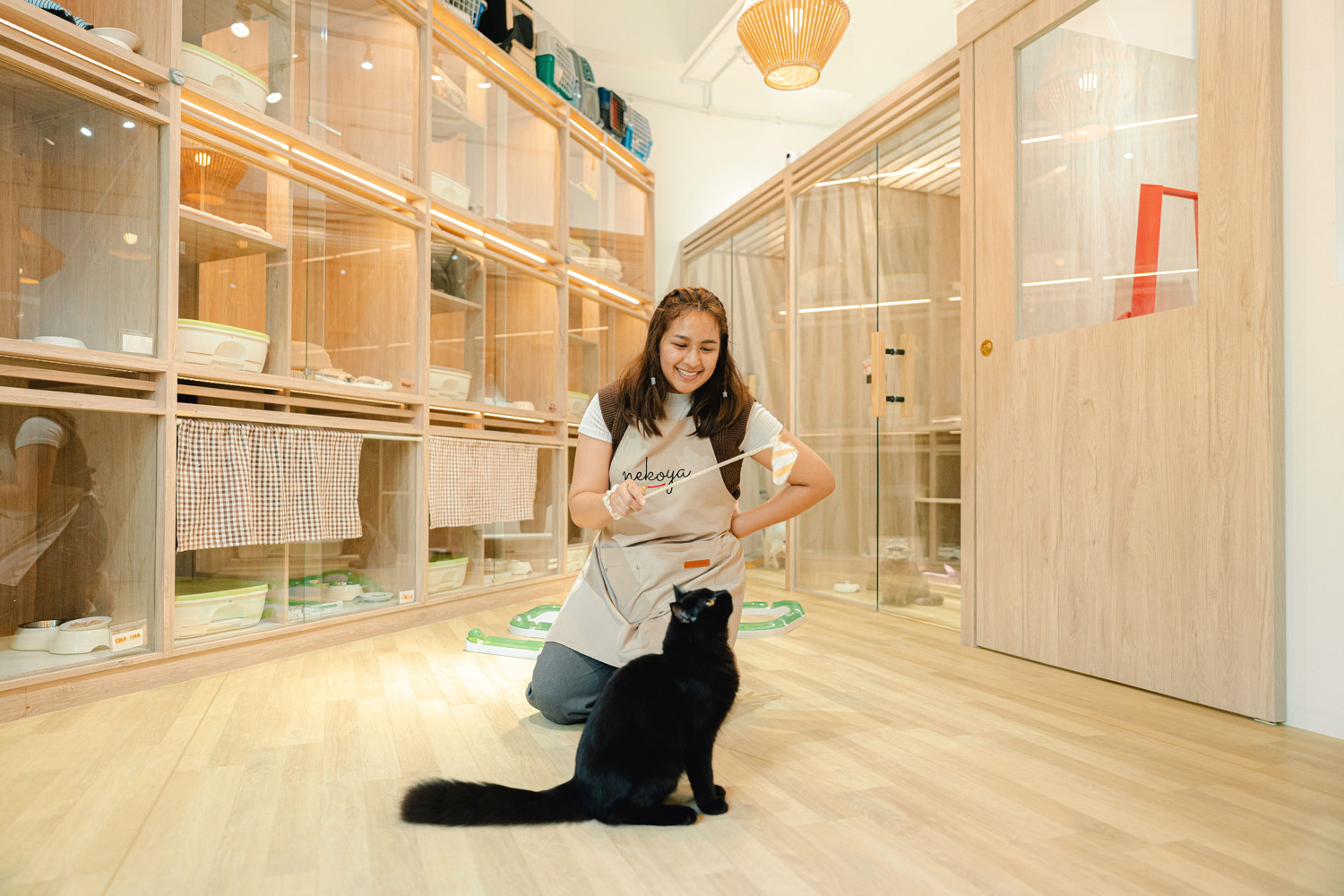
Ensuring that cat hotels provide safe and comfortable accommodation is essential for the well-being of feline guests. Effective space utilization is critical; each area must be designed to offer both privacy and ease of movement.
Enclosed spaces should be adequate in size to prevent overcrowding, allowing cats to explore without feeling confined. Comfort features, such as soft bedding, elevated perches, and interactive toys, should be incorporated to create a stimulating environment that reduces stress.
Additionally, materials used in the construction should be non-toxic and easy to clean, promoting hygiene. Proper ventilation and ambient temperature control further enhance comfort, ensuring a healthy atmosphere.
Staff Training and Best Practices for Hygiene
A well-designed cat hotel must be complemented by staff trained in best practices for hygiene to maintain a safe environment for feline guests.
Effective staff education is essential, as it guarantees that personnel are knowledgeable about hygiene protocols that mitigate the risk of illness transmission. Training programs should cover vital topics such as proper cleaning techniques, the use of disinfectants, and the importance of personal hygiene, including handwashing.
Regular workshops can reinforce these protocols, updating staff on emerging health concerns and best practices. Additionally, staff should be trained to recognize signs of illness in cats, enabling prompt intervention.
Conclusion
In summary, cat hotels prioritize hygiene and illness prevention through a multifaceted approach that includes rigorous cleaning protocols, individualized care, and health monitoring. By implementing quarantine procedures for new or ill guests and adhering to strict vaccination requirements, these facilities create a safe environment for all feline visitors. Additionally, well-designed accommodations and thorough staff training in hygiene practices guarantee that both the physical space and care provided meet the highest health standards, fostering a secure atmosphere for cats.